The war for sociology
Should scholars be activists? Plus, an announcement!

Sociology is a famously left-leaning discipline. But has it leaned too far in the direction of activism? That’s what some sociologists are asking themselves in the wake of right-wing attacks against their field. For my latest longform story at the Chronicle of Higher Education, I dove into the debate that’s fracturing the American Sociological Association, as told through one professor’s effort to chart a path forward.
When Melissa J. Wilde, a sociology professor at the University of Pennsylvania, was nominated to run for president of her field’s professional organization, her first reaction was surprise. Her second was to act like a sociologist. “I decided if I was going to lead the American Sociological Association,” she said, “I needed to study the discipline.”
Over six months starting last fall, she asked dozens of sociologists around the country for their thoughts on the association’s past, present, and future. It was a fractious time for the group — and for sociology. In Florida, where Republicans have been pushing to reform what they call higher education’s “woke” ideology, the head of the state’s public universities was citing sociology’s “political advocacy” to justify stripping it from campuses’ general-education curricula.
Around the same time, the ASA itself became embroiled in a debate over activism. In the spring, a faction called Sociologists for Palestine submitted a petition calling for an organization-wide vote to boycott Israeli academic institutions. ASA leaders declined on procedural grounds. A number of scholars saw the decision as the association trying — rightly, in their view — to course-correct a yearslong drift toward becoming an advocacy group for left-wing causes.
Should the production of knowledge be separated from the act of agitating for social change? The answer Wilde arrived at was yes, if sociologists wanted any hope of saving an academy under siege. As she watched the association splinter in all kinds of directions — her election platform warned of “shrinking membership, growing competitors, fractious debates, and crises of trust and disinvestment” — she became vocal with her belief that it should refrain from taking political stances.
On May 20, the day before the winner was announced, Wilde told me there was “an extremely vocal minority — that everybody’s afraid of — who literally would try to make sure I don’t win for saying these things.” But the majority, she felt, would prevail.
This is a debate that’s animating not just sociology, but higher education at large and so many other sectors of American society during these unprecedented-feeling times, and for that reason I found this story fascinating to work on. I’m grateful to everyone who spoke to me about how they’re approaching these very tough questions. You can read the full piece here (free to read by making an account with your email).
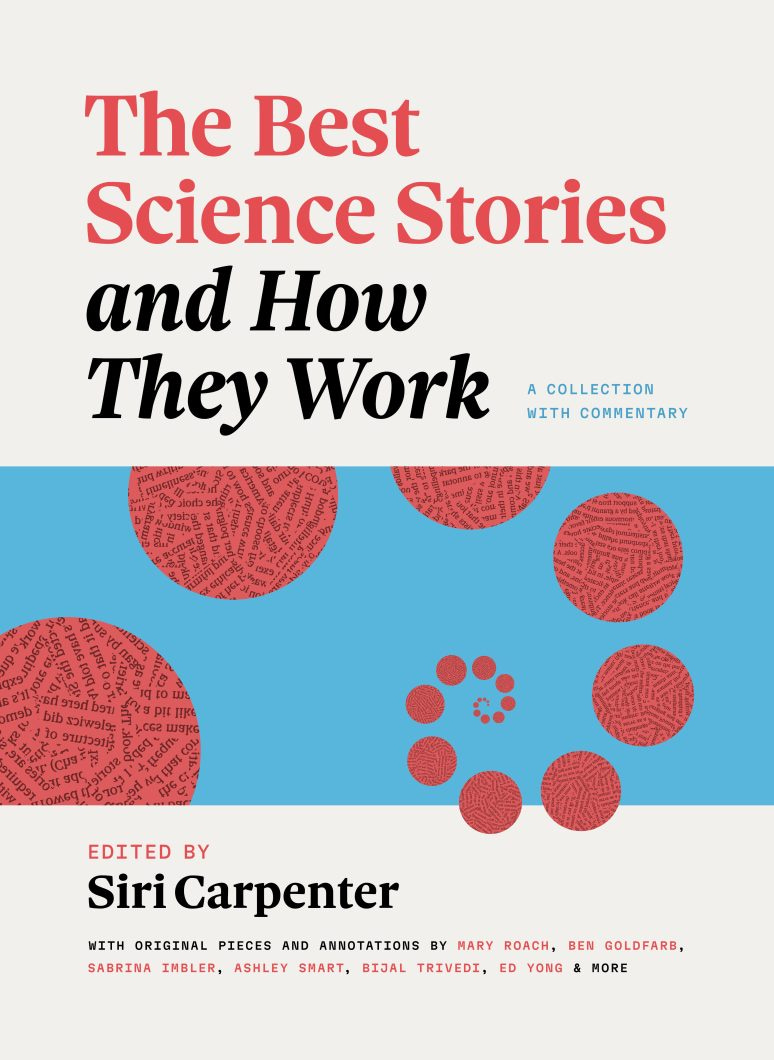
When I was a science reporter at BuzzFeed News, one of my favorite longform stories I wrote was about CrossFit’s obsessive and effective crusade against Big Soda, its rivals in the fitness industry, and scientific misconduct. I’m thrilled to announce that this story is going to be anthologized in a book! The Best Science Stories and How They Work: A Collection with Commentary comes out in July. This won’t be your typical anthology: the stories will appear alongside annotations and conversations with the authors, so readers will come away with an understanding of how they actually got done.
I had fun recounting to the wonderful Emily Laber-Warren my experience of working on this hybrid profile/investigation/feature, which involved: reading hundreds of pages of lawsuit filings and scientific papers, doing a CrossFit workout that left me deeply humbled (really glad the record will show I am “no fitness fanatic”), learning ever so much about Coca-Cola and Gatorade, staying organized with color-coded Google Docs, getting scooped, and rewriting everything when the angle unexpectedly changed. Thank you to The Open Notebook and Siri Carpenter for including me; I can’t wait to soak up all the collective wisdom in this anthology.
Until next time!